
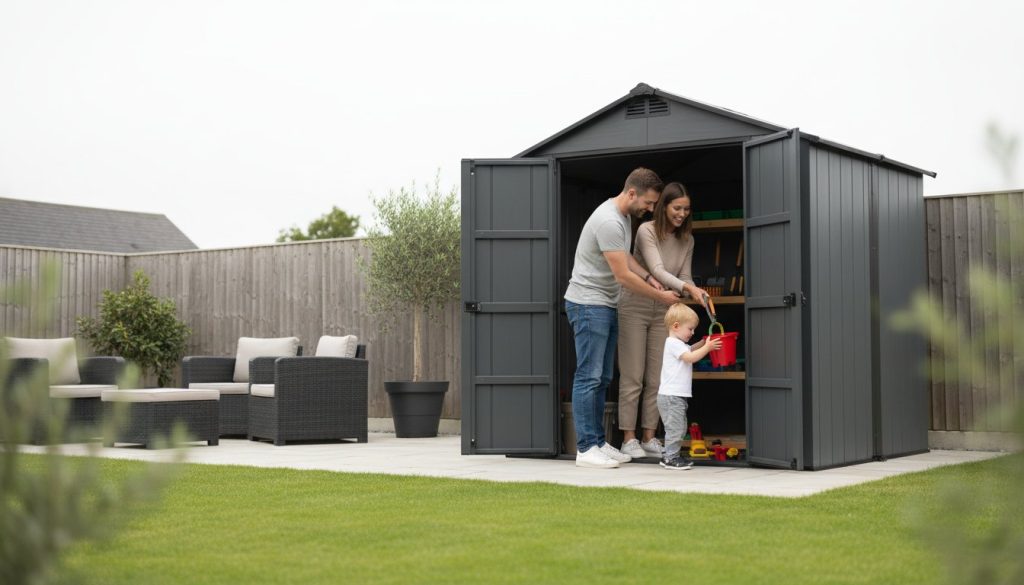
Dreaming of a tidy, organised garden but held back by the thought of yearly shed maintenance? Perhaps you’ve considered the practical benefits of a modern plastic shed, but find yourself wondering: will it stand up to unpredictable British weather? Does it require a complicated base? And can it ever truly look as stylish as traditional wood?
Forget the old stereotypes. Today’s high-quality plastic sheds offer a superb combination of robust durability, zero-fuss maintenance, and contemporary style that can elevate any garden space. They are no longer just a practical choice; they are a chic one, designed to give you more time to simply enjoy your outdoors.
In this ultimate UK buyer’s guide for 2026, we provide the expert advice you need to make a confident choice. We’ll guide you through selecting the right size, preparing the perfect foundation with ease, and tackling common concerns like condensation. Get ready to find a secure, stylish, and long-lasting storage solution that will transform your garden.
Key Takeaways
- Discover why a low-maintenance plastic shed is a stylish and practical alternative to traditional wood or metal options.
- Ensure a perfect fit and long-lasting quality by learning the critical steps for measuring your space and preparing the ideal base.
- Master simple, actionable tips for cleaning and organising your shed to keep it looking great for years to come.
- Transform your practical storage into a chic garden feature with our creative and easy-to-follow styling ideas.
Why Choose a Plastic Shed? The Definitive Pros and Cons
When you think of a garden shed, the traditional image of a wooden structure might come to mind. However, modern materials have revolutionised garden storage, and the plastic shed has emerged as a stylish, practical, and incredibly popular alternative. Forget the flimsy plastic of the past; today’s high-quality resin and vinyl sheds offer a durable, weather-resistant solution that saves you time and effort, making them a perfect fit for the busy modern lifestyle.
The Advantages of a Modern Plastic Shed
The primary appeal of choosing a plastic shed lies in its sheer convenience and long-lasting quality. These benefits are designed to give you more time to enjoy your garden, not maintain it.
- Virtually Zero Maintenance: This is the standout benefit. Unlike wood, which requires regular painting and treating to prevent rot, a plastic shed just needs an occasional wipe-down to look its best. It’s naturally immune to rust, rot, and pests.
- Superb Durability & Weather Resistance: Modern plastic shed materials like high-density polyethylene (HDPE) are UV-protected to resist fading, cracking, and peeling in the British weather. They are built to withstand rain, wind, and sun for years to come.
- Simple, Fast Assembly: With lightweight, interlocking panels and straightforward instructions, plastic sheds are significantly easier and quicker to assemble than their wood or metal counterparts. Most can be built in a few hours with basic tools.
- Excellent Portability: If you move house, your shed can come with you. The same simple construction allows for easy disassembly, making it a flexible, long-term investment.
Potential Drawbacks to Consider
While plastic sheds offer fantastic benefits, it’s important to consider their limitations to ensure they’re the right choice for your garden.
- Limited Customisation: Painting a plastic shed is difficult, and adding your own heavy-duty shelving requires careful planning, as you can’t just screw into the walls anywhere you like as you could with wood.
- Aesthetics: While designs have improved dramatically with wood-effect textures and contemporary colours, some may still prefer the classic, natural look of a timber shed for a traditional garden setting.
- Perceived Security: Quality models now come with steel-reinforced doors, strong locking mechanisms, and padlock points, offering robust protection for your tools and equipment.
Plastic vs. Wood vs. Metal: A Head-to-Head Comparison
To help you decide, here’s a quick comparison of the three main shed materials across key factors. If you’re still weighing up all your options, our ultimate guide to choosing the perfect garden shed covers every material and style in depth to help you make the most informed decision.
| Feature | Plastic | Wood | Metal |
|---|---|---|---|
| Maintenance | Very Low (Occasional wash) | High (Annual treating/painting) | Low (Check for rust/dents) |
| Cost | Low to Mid-Range | Mid to High-Range | Low to Mid-Range |
| Assembly | Easy (Lightweight panels) | Difficult (Requires skill/time) | Moderate (Often fiddly) |
| Durability | Excellent (Won’t rot or rust) | Good (If well-maintained) | Good (Prone to dents/rust) |
| Security | Good (Reinforced models) | Very Good (Strong & customisable) | Good (Can be very secure) |
| Aesthetics | Good (Modern & stylish designs) | Excellent (Classic & natural) | Fair (Primarily functional) |
Ultimately, the best material depends on your priorities. If you love a classic look and enjoy DIY projects, wood is a fantastic choice. For basic, budget-friendly storage, metal is a strong contender. However, for the busy homeowner seeking a stylish, hassle-free, and long-lasting storage solution that you can set up and forget about, a plastic shed is the clear winner. It delivers an unbeatable combination of durability, low maintenance, and modern convenience.
Choosing Your Perfect Plastic Shed: A Buyer’s Checklist
You’ve decided a low-maintenance, durable plastic shed is the right choice for transforming your garden storage. But with so many options available, how do you pick the perfect one? This checklist will guide you through the essential considerations, ensuring you find a stylish and practical shed that meets your needs for years to come.
Size and Capacity: How Much Space Do You Really Need?
The first step is always to measure your available garden space. Mark out the footprint with pegs and string to visualise how the shed will fit. It’s also wise to consider that very large structures may have specific placement rules; you can find official guidance on building regulations for outbuildings to be certain. Before you browse, measure your largest items, like the lawnmower or family bikes, to ensure they’ll fit through the door and inside comfortably. If you’re still exploring all your garden shed options and sizes before committing to plastic, our definitive guide walks you through every type to help you find your perfect match with complete confidence.
- Small (e.g., 6×4 ft): Ideal for storing hand tools, gardening supplies, and a push mower.
- Medium (e.g., 8×6 ft): A popular choice that comfortably holds larger equipment, shelving units, and a bicycle.
- Large (e.g., 10×8 ft and up): Perfect for ride-on mowers, patio furniture sets, or even as a small workshop space. If you’re a keen gardener, you might also want to consider a dedicated potting shed as a stylish hub for nurturing your plants and keeping all your gardening supplies beautifully organised.
Roof Styles: Apex vs. Pent Explained
The roof style affects both the look and functionality of your shed. The two most common designs are Apex and Pent, each with distinct advantages.
Apex Roof: This is the classic, triangular-style roof with a peak in the middle. It offers more headroom down the centre, making it feel more spacious, and its steep slopes are excellent for rainwater runoff.
Pent Roof: A modern, single-sloping roof. This practical design is perfect for positioning your shed against a wall or fence, as the single slope directs water away from the boundary.
Essential Features to Look For
The details make all the difference. Look for these key features to maximise usability and security:
- Ventilation: Built-in air vents are crucial for preventing condensation and a musty atmosphere, protecting your tools from rust and damp.
- Windows & Skylights: Natural light makes finding items easier. Consider models with high-level or skylight windows to maintain privacy and security.
- Floor Strength: A quality shed should include a heavy-duty, reinforced floor panel capable of supporting heavy items like tool chests or lawnmowers without sagging.
- Locking System: For peace of mind, choose a shed with steel-reinforced, padlockable doors to keep your valuable garden equipment secure.

Preparing for Your New Shed: Base, Location, and Assembly
You’ve chosen your perfect shed, but the work you do before it arrives is just as important as the shed itself. Proper preparation is the key to ensuring your new garden storage looks great and lasts for years. From the location to the final screw, getting these steps right makes all the difference.
Choosing the Right Location
Where you place your shed affects its usability and lifespan. Think about access first-leave at least two feet of space around all sides for assembly and future maintenance. If your shed has windows, consider positioning it to catch natural light. It’s also wise to avoid damp, low-lying areas of your garden or placing it directly under large trees where falling branches or sap could be an issue. Before you decide, ensure your chosen spot complies with local guidelines; a quick review of the official UK planning permission rules for sheds can prevent any future headaches.
The Foundation: Why a Level Base is Non-Negotiable
The single most critical factor for a long-lasting shed is a solid, perfectly level base. An uneven foundation will put stress on the structure, causing panels to warp and doors to misalign over time. Don’t be tempted to skip this step; it’s the bedrock of your investment. Here are the most popular options:
- Paving Slabs: A practical and popular choice for small to medium sheds. Relatively easy for a competent DIYer to lay, they provide a solid, flat surface.
- Concrete Base: The gold standard for durability. A professionally laid concrete slab provides the ultimate stable foundation, ideal for larger structures or storing heavy equipment.
- Plastic Shed Base Grids: A modern, eco-friendly alternative. These interlocking grids create a strong, permeable base that allows for excellent drainage, making it a great partner for a low-maintenance plastic shed.
Assembly Tips for a Hassle-Free Build
Assembling a flat-pack shed is a straightforward project, but a little preparation goes a long way. Always read the instruction manual fully before you begin, and check that all parts and fixings are present. We strongly recommend making it a two-person job; an extra pair of hands makes lifting panels and aligning sections much safer and easier. With a level base and a clear plan, you’ll have your new storage space ready in no time.
Ready to start your garden transformation? Browse our stylish range of plastic sheds.
Long-Term Care: Maintaining and Organising Your Plastic Shed
One of the most significant advantages of choosing a plastic shed is its incredibly low-maintenance nature. Unlike wood that needs treating or metal that can rust, a high-quality resin shed requires just a little attention to keep it looking pristine and functioning perfectly for years to come. With a few simple steps, you can ensure your outdoor storage remains a stylish, organised, and valuable addition to your garden.
Simple Cleaning and Upkeep
Keeping your shed in top condition is refreshingly straightforward. A seasonal check-up is all that’s needed to maintain its durability and appearance. Focus on these key areas:
- Effortless Washing: For general dirt and grime, a simple wash with a soft brush, warm water, and mild soap is all it takes. Avoid harsh chemicals or abrasive scourers to protect the finish.
- Check Fixtures: Periodically check that the screws on door hinges, handles, and locks are tight. This quick task ensures your shed remains secure and the doors operate smoothly.
- Clear the Roof: Brush away any accumulated leaves, twigs, or debris from the roof and any integrated gutters. This prevents blockages and ensures rainwater drains away correctly, protecting the structure.
How to Stop Condensation in a Plastic Shed
Condensation can occur in any shed when warm, moist air inside meets the colder surface of the walls or roof. While less common than in metal sheds, it’s easily managed with a proactive approach. Good air circulation is the key to a dry, healthy environment for your stored items.
- Promote Airflow: Ensure any built-in vents are clear and unobstructed by boxes or equipment. This allows moist air to escape easily.
- Store Items Dry: Avoid storing damp items like wet lawnmowers, soggy wellies, or damp textiles. If you must, allow them to dry outside first.
- Consider a Dehumidifier: In particularly damp UK climates, a small, cost-effective desiccant dehumidifier or moisture trap can make a huge difference in keeping the interior perfectly dry.
Smart Storage and Organisation Ideas
Transform your shed from a simple storage box into a highly efficient and tidy workspace. The key is to make the most of the vertical space, keeping the floor clear and everything accessible. Since drilling into plastic walls is not always recommended, focus on clever, freestanding solutions.
- Use Freestanding Shelving: Sturdy, multi-tier shelving units are perfect for organising paint tins, pots, and boxes without compromising the shed’s structure.
- Install Tool Racks: Wall-mounted tool hangers and magnetic strips are ideal for keeping spades, forks, and metal hand tools organised and within easy reach.
- Embrace Clear Bins: Use clear, stackable plastic bins for smaller items like screws, seeds, and gloves. You’ll be able to see what’s inside at a glance.
- Hang Up Your Bikes: Save valuable floor space by using ceiling hooks or freestanding bike racks to store bicycles vertically.
With a little organisation, your plastic shed becomes an incredibly practical and clutter-free extension of your home. To find the perfect accessories for your space, explore our complete range of garden storage solutions today.
Styling Your Shed: Making Plastic Look Chic
A garden shed is a practical necessity, but who says it can’t also be a stylish focal point? At Living Chic, we believe every part of your home and garden should reflect your personal style. A modern plastic shed offers a fantastic blank canvas to create a feature that is both functional and beautiful. With a few creative touches, you can transform your storage unit from purely practical to perfectly chic.
Can You Paint a Plastic Shed?
Yes, you absolutely can! Painting is one of the quickest ways to elevate your plastic shed and integrate it seamlessly with your garden’s colour scheme. The key to a lasting, professional finish is all in the preparation. Start by thoroughly cleaning the surface, then apply a high-quality primer specifically designed for plastic. Once primed, use a durable acrylic latex paint in a colour that complements your home’s exterior or your garden planting – think contemporary slate grey, soft sage green, or a classic navy blue.
Landscaping and Planting Around Your Shed
Bedding your shed into the garden with thoughtful landscaping will make it feel like an intentional part of the design rather than a simple afterthought. This approach softens the edges and connects the structure to the natural environment.
- Create a Pathway: Lay a simple, stylish path using gravel, slate chippings, or modern stepping stones to create an inviting approach.
- Plant Climbers: Install a trellis panel next to your shed and plant fragrant climbers like jasmine or a colourful clematis to add vertical interest and natural beauty.
- Use Planters: Position a collection of pots and planters of various sizes around the base. Fill them with seasonal flowers, herbs, or evergreen shrubs to add colour and texture.
- Add Lighting: Place a few solar-powered stake lights along the path or a solar wall light by the door for a warm, welcoming glow in the evenings.
Adding Finishing Touches and Accessories
The small details are what truly complete a look. Think of your shed area as an outdoor room and accessorise it accordingly. Add a stylish, hard-wearing outdoor doormat to the entrance. On compatible models, you could even swap out standard door handles for more decorative hardware. To create a truly usable and inviting space, place a chic garden bench or a comfortable armchair nearby. This simple addition creates a relaxing ‘zone’ for enjoying a morning coffee or an evening drink, transforming your shed’s corner into a garden destination. If you’re inspired to go further and create a dedicated space for growing and nurturing plants, our guide to designing a stylish potting shed as your ultimate garden haven is full of creative ideas to help you get started. Find the perfect accessories to complete your garden look and bring your vision to life.
Transform Your Garden with the Perfect Plastic Shed
As we’ve explored, the modern plastic shed is far more than just a storage box; it’s a durable, low-maintenance, and surprisingly stylish solution for any UK garden. By choosing the right size, preparing a solid base, and adding your personal flair, you can create a functional and chic outdoor space that truly enhances your home.
Ready to find the perfect model for your garden? At Living Chic, we’ve made the next step simple. Explore our curated collection of stylish and durable plastic sheds and discover top brands at competitive prices. As part of the trusted Garden Chic family of brands, we pride ourselves on quality and service, offering Free UK Delivery to most postcodes.
Your dream garden storage solution is just a few clicks away. Happy organising!
Frequently Asked Questions
Are plastic sheds any good in the UK weather?
Absolutely. Modern plastic sheds are designed to withstand the typical British mix of rain, wind, and sun. They are made from high-quality, UV-stabilised polypropylene, which prevents cracking or fading in the sun. Unlike wood, they won’t rot or warp in the damp, and unlike some metals, they are completely rust-proof. Many premium models also feature a steel-reinforced frame, adding extra strength and rigidity to handle strong winds, making them a durable, low-maintenance choice for any UK garden.
Do plastic sheds need a base?
Yes, a solid and level base is essential for any shed, including plastic models. A proper foundation prevents the shed from sinking or twisting over time, which can cause the doors to misalign and stick. It also helps to keep moisture out, protecting the contents inside. Suitable bases include a concrete slab, paving stones, or a sturdy timber frame. Always ensure your base is perfectly flat before you begin assembly to guarantee the best performance and longevity for your new shed.
How do you stop a plastic shed from blowing away?
The best way to secure your plastic shed against strong winds is to anchor it firmly to its base. Most sheds come with designated points in the floor for this purpose. If you have a concrete or slab base, you can use an anchor kit with expansion bolts to fix the shed directly to the ground. This creates a secure connection that provides excellent resistance against wind uplift. Placing the shed in a more sheltered part of the garden can also provide extra protection.
Are plastic sheds secure enough to store valuable tools?
For general garden equipment, a plastic shed offers good security. Most come with lockable doors that can be secured with a sturdy padlock. However, for highly valuable power tools or equipment, they can be less secure than a heavy-duty wooden or metal shed. To enhance security, always use a high-quality, weather-resistant padlock. You can also consider adding a battery-powered shed alarm or obscuring any windows to keep valuable items out of sight from would-be thieves.
How long do plastic sheds last compared to wooden ones?
A quality plastic shed can easily last for 10-15 years or more with virtually no maintenance required, representing excellent value. They won’t rot, rust, or need annual treatments. In comparison, a wooden shed’s lifespan is heavily dependent on regular upkeep. While a well-maintained wooden shed can last over 20 years, it requires consistent effort, including annual painting or treating with preservatives to protect it from rot and weather damage, which adds to the long-term cost.
Do plastic sheds get hot inside during summer?
Yes, like any outdoor building, plastic sheds can get warm inside on a hot summer’s day. However, many modern designs include features to manage this. Look for sheds with built-in ventilation, such as air vents in the gables, to promote airflow and prevent the interior from becoming stuffy. Choosing a shed in a lighter colour, like a pale grey or beige, will also help as it reflects sunlight more effectively than a darker shade, keeping the internal temperature more comfortable.
Can you insulate a plastic shed for use as a workshop?
While it is possible, insulating a plastic shed is more challenging than insulating a wooden one. The most effective method is to cut rigid foam insulation boards to fit snugly between the internal frame supports of the walls and roof. You can then cover this with plywood or plasterboard to create a finished interior wall. This will help regulate the temperature for occasional use as a workshop or hobby room, but it may not be sufficient for creating a fully heated, year-round workspace.