
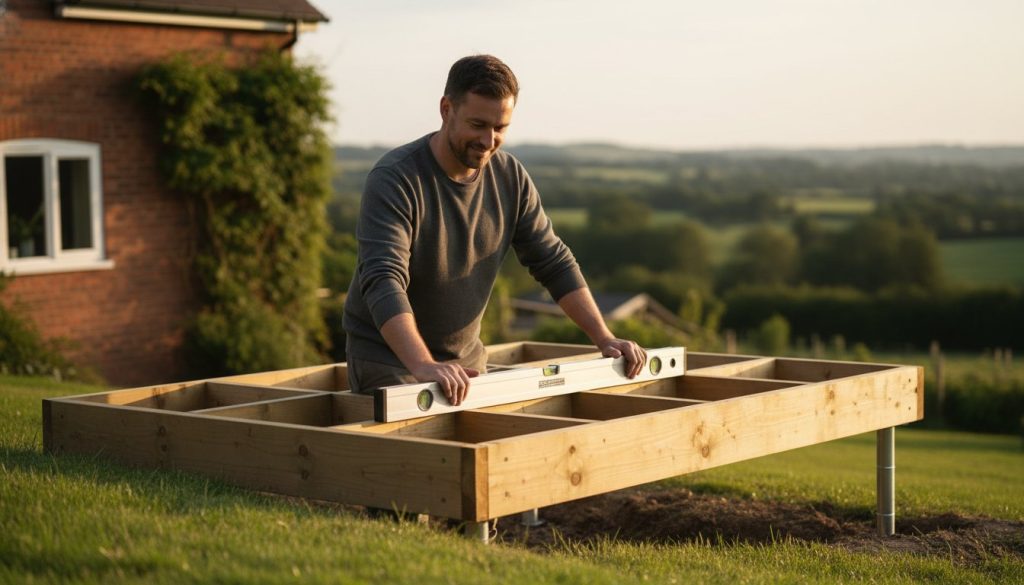
What if the secret to a perfectly level shed isn’t digging up your entire garden, but actually working with the slope instead? It’s incredibly frustrating to find the perfect spot for a new garden building only to realise the ground is as bumpy as a country lane. You’re likely searching for shed base ideas for uneven ground because you’re worried about doors sticking, the frame warping, or the high costs of professional excavation. We understand that anxiety, especially when you want a stylish addition to your outdoor space that stands the test of time.
This guide explores the most effective ways to achieve a stable, level foundation whilst ensuring excellent drainage to prevent timber rot. You’ll discover how to choose between timber and concrete solutions that fit your budget and garden design perfectly. We will look at everything from adjustable pedestal systems to reinforced frames, giving you the confidence to install your garden buildings or garden products on any terrain without the stress.
The Hidden Risks of an Uneven Shed Base
Building a base that is “near enough” level is a recipe for long-term disaster. Whilst it might look acceptable to the naked eye, even a slight gradient forces gravity to pull unevenly on the structure. This tension compromises the shallow foundation of your building, eventually leading to warped panels and split timbers. When exploring shed base ideas for uneven ground, you aren’t just looking for aesthetic appeal; you’re protecting a significant investment from premature failure. With lumber costs for a standard 10×12 shed frame and base often reaching up to £2,400 (based on 2026 market projections), ensuring a level start is essential for your budget.
To better understand how a solid foundation comes together on tricky terrain, watch this helpful video:
Structural Stress and Door Misalignment
A shed is designed as a rigid box. When one corner sits lower than the others, the weight isn’t distributed through the vertical studs as intended. This causes a phenomenon known as “racking,” where the rectangular frame is forced into a parallelogram shape. Racking is the primary cause of shed frame failure on slopes. You’ll notice the symptoms quickly. Doors will stick or refuse to latch, windows might crack under pressure, and the roofline will begin to sag. Maintaining the structural integrity of your garden shed requires a base that remains perfectly level regardless of the bumps beneath it.
Drainage and Airflow Challenges
Uneven ground often hides moisture traps that are lethal to timber. If your shed sits directly against a rising slope, you’ll likely face “splash-back” rot. This happens when rainwater hits the ground and bounces up against the lower cladding, keeping the wood perpetually damp. However, using smart shed base ideas for uneven ground, such as a raised timber frame or pedestals, actually offers a hidden advantage. A raised base creates a void that encourages constant airflow, which is far superior for ventilation than a flat concrete slab. By managing water run-off and preventing pooling around the foundation, you ensure the underside of your building stays dry and rot-free. Investing in quality garden products for drainage and choosing the right garden buildings from our leisure buildings range will ensure your project lasts for decades.
Top Shed Base Ideas for Sloping and Uneven Gardens
Selecting the right foundation involves more than just finding a flat spot; it’s about matching the solution to the specific contours of your land. A gentle bump requires a different approach than a steep incline. When you select the right materials, you create a cohesive look that complements your garden furniture and overall landscape design. Here are the most reliable shed base ideas for uneven ground that ensure your building stays level for years to come.
Timber Frame on Concrete Blocks
The “Post and Beam” method is a classic choice for significant gradients and steep slopes. By using concrete blocks or mini-piers as anchors, you can build a level wooden platform regardless of the incline. It’s vital to use pressure-treated timber to prevent moisture damage from the soil. For those tackling a steep incline, following a detailed guide on building a post and beam shed foundation provides the necessary engineering steps. You can use “shims” or plastic packers for micro-adjustments, ensuring the frame is perfectly horizontal before your garden buildings arrive.
Adjustable Pedestal Systems
If you’re working with a slightly uneven patio or an existing hardstanding area, adjustable pedestals are a brilliant “no-dig” solution. These heavy-duty plastic supports allow for millimetre-perfect levelling simply by twisting the head of the pedestal. They are often overlooked in standard guides, but they provide an excellent void beneath the structure. This gap improves airflow and makes pest control much simpler. It’s a clean, fast way to prepare a site for garden products without the mess of wet concrete. This method balances DIY ease with professional-grade results.
Ground Screws and Eco-Piles
For a permanent and highly stable foundation on soft or very uneven soil, ground screws are the professional choice. They act like giant screws driven deep into the earth, providing a solid anchor point that won’t shift over time. They are a superior alternative to concrete slabs because they don’t require excavation and have a much lower environmental impact. Whilst some DIY kits exist, larger projects often benefit from expert installation to ensure every screw is perfectly aligned. This stability is essential for heavier structures found in our garden furniture and structures collection.
If you’re unsure which method suits your specific garden layout, please get in touch with our team for advice.
Digging Out vs. Building Up: Which Method Suits Your Garden?
Deciding whether to dig into a slope or build a platform above it is a pivotal moment for your project. Whilst digging creates a tucked-away feel, building upwards often provides better protection for your garden buildings. When you look at shed base ideas for uneven ground, the physical effort required for digging is often the deciding factor. Excavation is a heavy task that requires moving tonnes of soil; building a frame is more about precision and assembly. You must also consider soil stability, as disturbing a natural slope can lead to erosion if the ground isn’t properly managed.
The “Cut-In” Method (Excavation)
Digging a level shelf into a slope is ideal if you want your shed to sit low in the landscape. This prevents the building from towering over your garden decor or blocking a favourite view. However, you must account for the weight of the earth behind the cut. Retaining walls are essential to prevent soil from pressing against the shed walls and causing damp. You also need to solve the “swimming pool” effect. Without proper gravel drainage channels, water will pool in the excavated area, leading to timber rot and a muddy mess.
The “Elevated” Method (Building Up)
Raising the base is often the smartest choice for the health of the timber. An elevated platform allows air to circulate freely beneath the floor, which is the best defence against rising damp. You can use the void for hidden drainage or even discreet storage for slim garden products like ladders or garden tools. To maintain a high-end look, consider skirting the base with timber slats or climbing plants to hide the support legs. This approach works with the land’s natural slope rather than fighting against it, which is often better for the garden’s ecology.
From a cost-benefit perspective, excavation might seem cheaper because you aren’t buying as much timber; however, the time and physical toll are significant. If you value your time, building an elevated base is often the more efficient route. When evaluating shed base ideas for uneven ground, remember that a raised foundation is also easier to adjust if the ground settles over time. It’s a flexible, long-term solution that keeps your garden looking its best without the back-breaking labour of a major dig.

Step-by-Step: Building a Timber Frame Base on Uneven Ground
Constructing a timber frame is the most popular DIY method for British gardens with challenging slopes. It’s a practical, cost-effective way to create a perfectly level platform without the mess of large-scale concrete pouring. Before you begin, gather essential tools including a high-quality spirit level, string lines, a mallet, and heavy-duty galvanised fixings. Working on a gradient requires extra caution; always ensure your ladder is stable and handle heavy timber with a partner to avoid injury. Following these steps ensures your site is ready for a premium structure from Simply Log Cabins.
Preparation and Marking Out
Precision at the start prevents headaches later. Use the “3-4-5 rule” to ensure your base is perfectly square: measure 3 feet along one side, 4 feet along the perpendicular side, and if the diagonal between them is exactly 5 feet, your corner is a perfect 90 degrees. Establish a level line across the entire slope by setting up datum pegs at each corner. These pegs act as your master reference point for height. Finally, clear all vegetation from the area and install a heavy-duty weed membrane. Topping this with a thin layer of gravel creates a maintenance-free finish that prevents plants from growing up through your floorboards.
Setting the Supports and Frame
Position your main supports, such as concrete blocks or pressure-treated timber posts, at the highest and lowest points of the slope. You’ll need to dig deeper for the supports at the “high” end of the garden to keep the frame level. Construct the outer frame first, resting it on these supports whilst constantly checking the level with your spirit level. Adjust the height of the supports using plastic shims or by adding/removing material beneath the blocks. Support centres should never exceed 600mm to prevent floor bounce. This ensures the base can handle the weight of your building and any heavy garden furniture you plan to store inside.
Finishing Touches for Stability
Once the outer frame is level, install the internal joists and “noggins”—short pieces of timber between the joists—to provide maximum floor support. To prevent the shed from shifting during high winds, secure the timber frame to your concrete or post supports using heavy-duty L-brackets or masonry bolts. This is a crucial step that many generic guides overlook. Finally, apply a generous coat of end-grain preservative to every cut surface of the timber. This extra layer of protection is vital in the damp British climate, ensuring your foundation remains rot-free for years.
If you need help selecting the right materials for your project, reach out to our expert team today for personalised guidance.
Finalising Your Garden Project with Style and Stability
Once the structural work is complete, the focus shifts to the aesthetic integration of your new building. A raised foundation doesn’t have to look like a temporary construction site; it can become a deliberate design feature. By implementing the right shed base ideas for uneven ground, you create a platform that feels anchored to the landscape rather than floating awkwardly above it. This stage is where your project transforms from a DIY task into a stylish garden retreat that enhances your outdoor living environment.
Landscaping Around a Raised Base
Hiding the structural supports of an elevated shed is the best way to achieve a professional finish. You can use decorative timber trellis or horizontal slats to skirt the base, which allows for essential airflow whilst masking the concrete blocks or posts beneath. Planting low-growing shrubs or ferns around the perimeter further softens the edges and blends the structure with your garden decor. If the slope creates a significant height difference, consider building a small timber “step-up” area or a mini-deck. This provides safe, easy access to the door and creates a natural transition to a nearby garden furniture set where you can enjoy your transformed space.
Long-Term Maintenance of Sloped Bases
A sloped site requires specific ongoing care to ensure the foundation remains secure. British winters often bring heavy rainfall that can cause subtle soil erosion around support posts. You should check the stability of your base at least once a year, looking for any signs of shifting or subsidence. It’s vital to ensure your gutters and downpipes are working correctly; they must direct water well away from the low side of the slope to prevent the ground from becoming waterlogged. Periodic inspections of the timber frame are also necessary to check for moisture ingress or pest activity in the void beneath the floor. Keeping this area clear of leaf litter and debris will maintain the high-quality ventilation you’ve worked hard to create.
Choosing a shed style that suits an elevated position, such as a cabin with a small veranda, can turn a tricky slope into a stunning vantage point. Whether you are creating a home office or a simple storage space, the right foundation ensures your building stays level and functional for decades. We invite you to explore our full range of garden structures to find the perfect match for your newly prepared site. With a solid base in place, you can confidently invest in premium garden buildings that will stand the test of time and weather.
Build Your Perfect Garden Retreat with Confidence
Achieving a level foundation on a slope doesn’t have to be a daunting task. By choosing the right shed base ideas for uneven ground, you protect your building from structural racking whilst ensuring the best possible drainage and airflow. Whether you opt for a versatile timber frame or modern adjustable pedestals, the result is a stable, long-lasting space that perfectly complements your garden design. Taking the time to prepare your site correctly ensures your doors latch perfectly and your roof remains watertight for years to come.
We provide expert British-based support to help you through every step of your garden improvement journey. You will find competitive pricing on premium garden brands and benefit from trusted UK delivery across our entire range. Ready to transform your outdoor space? Explore our range of stylish garden sheds and structures at Living Chic and let us help you find the ideal match for your home. Your dream garden building is well within reach, even on the trickiest terrain.
Frequently Asked Questions
Can I build a shed base on a steep slope?
Yes, you can build on a steep slope by using an elevated timber frame supported by pressure-treated posts or ground screws. This “post and beam” method allows you to create a perfectly level platform without the need for massive excavation. It’s essential to ensure posts are set deep enough into the ground, usually in concrete, to provide a rigid anchor that resists the lateral pressure caused by the gradient.
What is the cheapest shed base for uneven ground?
A timber frame supported by concrete blocks or gravel is generally the most cost-effective option for tricky terrain. Because a DIY approach can save 40-50% on labour costs, building your own wooden platform is a budget-friendly way to explore shed base ideas for uneven ground. Using standard building blocks as “piers” avoids the high price of a full concrete slab whilst providing a solid, ventilated foundation for your building.
Do I need planning permission for a raised shed base in the UK?
In the UK, most sheds fall under “permitted development,” but you must be careful with the total height of the structure. If the shed is within 2 metres of a boundary, the maximum height allowed is 2.5 metres. Since a raised base adds to this total height, you might exceed the limit on the “downhill” side of the slope. Always check with your local planning office if your platform is significantly elevated.
How do I stop my shed from sliding down a hill?
Mechanical anchoring and deep-set support posts are the best ways to prevent movement on a gradient. You should secure the shed frame to the base using heavy-duty bolts or masonry brackets. For steeper hills, adding diagonal cross-bracing between the support posts will create a rigid structure that resists sliding. Ensuring the ground is well-drained also prevents soil from becoming soft and unstable during wet British winters.
Can I use plastic shed base grids on a slope?
Plastic grids are excellent for slightly bumpy ground but aren’t designed for steep slopes on their own. To use them effectively, you must first create a level “shelf” using compacted gravel or crushed stone. The grids then sit on top to provide a stable, free-draining surface. For significant gradients, an elevated timber frame remains a much safer and more practical choice for your garden building.
How high can I safely raise a shed base on one side?
For most DIY projects, raising a base up to 600mm on one side is manageable with standard 4×4 pressure-treated posts. If you need to go higher, you must use larger timbers and increase the depth of the post holes to maintain stability. Any structure raised significantly above 1 metre may require professional design input to ensure it can safely support the weight of the shed and its contents over time.
Should I use concrete or timber for a sloped foundation?
Timber is almost always the better choice for sloped foundations because it’s easier to adjust and requires less heavy machinery. Building a concrete slab on a slope involves complex, expensive formwork and a large volume of material to fill the “low” side. Timber frames allow for natural drainage and airflow beneath the structure, which is vital for preventing rot in your garden buildings and structures.
How do I calculate the height difference for my shed base posts?
Use a long, straight timber batten and a spirit level to find the height difference across your site. Place one end of the batten at the highest point and hold it perfectly level across the slope. Measure the vertical distance from the bottom of the batten to the ground at the points where your posts will sit. This measurement tells you exactly how much longer each support post needs to be to reach a level line.