
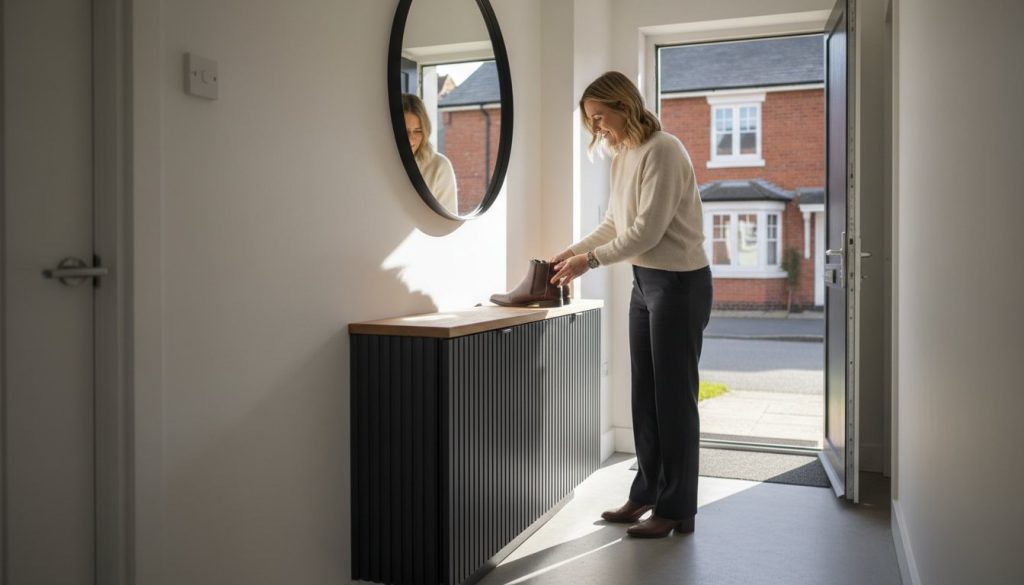
What if your hallway wasn’t a cluttered obstacle course, but a beautifully curated space that actually protected your footwear investment? Most of us are familiar with the daily struggle of tripping over stray trainers or finding favourite winter boots squashed and dusty at the bottom of a pile. Choosing the right shoe storage cabinet is about more than just hiding the mess; it’s about preserving the life of your shoes. It’s frustrating when a lack of organisation ruins the first impression of your home and prematurely ages your expensive footwear.
Our expert guide will show you how to select a piece that balances slimline aesthetics with the active ventilation needed to keep your collection in pristine condition. With 2026 design trends shifting towards tactile fluted fronts and earthy charcoal tones, we’ll help you find a functional solution that complements your existing decor. We’ll preview everything from budget-friendly £42.49 units to premium £250 solid oak designs, ensuring you find the perfect fit for even the narrowest British entryway.
Why a Dedicated Shoe Storage Cabinet is Essential for Your Home
A dedicated shoe storage cabinet is a specialised piece of home furniture designed to organise and protect footwear from the elements and daily household traffic. While the history of the shoe rack shows it began as a simple utilitarian tool, modern cabinets have evolved into stylish hallway essentials that hide clutter behind elegant doors. These units provide a structured environment that prevents your favourite trainers and boots from becoming a tangled heap on the floor.
Investing in a closed cabinet also offers significant protective benefits for your footwear collection. Expensive leather shoes and delicate suede boots are vulnerable to dust, pet hair, and accidental scuffs when left on open racks. By keeping them inside a ventilated cabinet, you shield them from direct sunlight which can cause colours to fade and materials to crack over time. It’s a practical way to ensure your shoes stay in showroom condition for longer.
To better understand the benefits and assembly of these units, watch this helpful video:
The Psychology of an Organised Entryway
The state of your hallway sets the tone for your entire home. Removing visual clutter reduces cortisol levels and lowers stress as you walk through the door after a long day. An organised entryway acts as a vital transition zone; it’s a space where you can shed the worries of the outside world along with your coat and shoes. The hallway effect is the immediate emotional response guests have to your home organisation.
Cabinet vs Rack: Which Should You Choose?
Choosing between an open rack and a closed shoe storage cabinet often comes down to your household’s specific needs. Open racks offer quick, easy access for daily wear, but they can quickly look untidy and allow dust to settle on infrequently worn pairs. Closed cabinets provide a much cleaner aesthetic, which is essential if you’re integrating your storage into a wider living room furniture strategy in open-plan homes. For pet owners, closed storage is a necessity to prevent curious dogs from chewing on expensive leather laces or leaving fur inside your boots. While a rack might be cheaper, a cabinet offers a level of chic sophistication and long-term protection that simple shelving cannot match.
Selecting the Right Style for British Hallways and Layouts
British hallways present a unique architectural challenge. Victorian and Edwardian terraces often feature corridors measuring just 90cm to 100cm wide. Standard furniture simply doesn’t fit these spaces without obstructing the thoroughfare. Tilt-out drawers have become the gold standard for these restricted layouts. By storing footwear at an angle, a shoe storage cabinet with this mechanism maintains a footprint that is significantly shallower than traditional shelving. It’s a clever way to keep the path clear whilst ensuring every pair of shoes has a home.
Slimline Solutions for Narrow Corridors
When floor real estate is at a premium, look for a shoe storage cabinet with a depth measurement of 25cm or less. These ultra-slim units allow for easy movement through the hall whilst still housing up to 12 pairs of shoes in a single-tier configuration. Wall-mounted units are particularly effective in small spaces. They create a “floating” effect that exposes more floor area, which makes the room feel considerably larger. Floor-standing units offer more stability for heavier items like bulky winter boots. You can enhance this setup by placing mirrors above the cabinet. This simple trick bounces light around the space and creates the illusion of a much wider entryway.
Mirrored and High Gloss Finishes
Many UK entryways suffer from a lack of natural light. Mirrored cabinet fronts solve this problem by reflecting available light into the darker corners of the hall. High gloss finishes are an equally popular choice for modern family homes. They are incredibly easy to clean; a quick wipe with a damp cloth removes the scuffs and mud that inevitably follow a rainy British walk. It’s easy to coordinate these pieces with your existing house and home furniture to create a cohesive and stylish look.
For homes with high ceilings, vertical storage is the best way to maximise capacity without losing floor space. Tall, narrow cupboards can reach up to 180cm, providing room for over 30 pairs of shoes. If you have a slightly wider area, a storage bench with an integrated cupboard offers a practical spot to sit whilst putting on footwear. Many expert reviews of shoe storage cabinets highlight that multi-functional pieces are the most cost-effective way to organise a busy household. If you need help measuring your specific layout, you can speak with our knowledgeable team for personalised advice.
Technical Considerations: Capacity, Measurements, and Ventilation
Selecting a shoe storage cabinet requires a shift from aesthetic appeal to technical precision. A unit that looks beautiful in your hallway is of little use if it cannot accommodate your specific footwear collection. Beyond simple aesthetics, you must consider the internal architecture of the furniture, focusing on how dimensions and airflow impact the longevity of your shoes. High-quality home furniture should provide a protective environment, not just a hiding place for clutter.
Measuring Your Footwear for a Perfect Fit
Before making a purchase, measure your largest pair of shoes, typically a men’s size 12 trainer or a pair of substantial hiking boots. Standard internal depths vary, but you generally need at least 33cm to 35cm of clearance for larger sizes to sit flat. Flat pumps and sandals require far less room, allowing you to utilise adjustable shelving to double your capacity in certain sections. Standard tilt-out cabinets are often unsuitable for shoes with a heel height exceeding 4 inches. If your collection includes stilettos or platform heels, look for cupboards with traditional horizontal shelving rather than angled brackets.
The “Boot Problem” is a common oversight in British households. Wellingtons and ankle boots require a vertical clearance of at least 25cm to 40cm. Choosing a cabinet with removable or adjustable shelves allows you to customise the interior layout as the seasons change, moving from bulky winter boots to slim summer sandals without wasting valuable space.
Airflow and Odour Prevention
Breathability is non-negotiable for closed furniture storing leather or athletic shoes. When you place damp shoes inside a sealed box, you create a breeding ground for bacteria and mould. This is particularly relevant in the UK, where rain is a frequent factor. Look for a shoe storage cabinet featuring ventilation slats, open backs, or decorative cut-outs that facilitate natural airflow. These features serve a dual purpose by adding a design element whilst ensuring your footwear remains fresh.
To maintain a pleasant scent, consider placing cedar blocks or activated charcoal bags amongst your collection. These natural dehumidifiers absorb moisture and neutralise odours effectively. Many top-rated shoe organizers emphasise that material choice also plays a role in moisture management. Whilst solid wood offers superior durability and natural breathability, high-quality MDF with moisture-resistant veneers is often a more stable choice for entryways prone to temperature fluctuations. Ensuring your cabinet is well-ventilated will protect your investment and keep your hallway smelling fresh year-round.
Matching Your Shoe Cabinet to Your Interior Decor
A well-chosen shoe storage cabinet should feel like a natural extension of your home’s architecture rather than an afterthought. To achieve a cohesive look, consider the finish of your skirting boards and flooring. Matching a white-painted unit to white skirting creates a seamless, built-in appearance that’s perfect for smaller entryways. Conversely, an oak-topped cabinet can bridge the gap between a wooden floor and neutral walls. By 2026, the “Industrial Chic” trend remains strong, featuring metal accents and reclaimed wood textures. This contrasts with the “Scandi Minimalist” approach, which prioritises pale timbers and handle-less silhouettes to maintain a calm, airy atmosphere.
Integrating your storage with other hallway furniture is essential for a curated feel. Your cabinet shouldn’t just store footwear; it serves as a “landing strip” for daily essentials. Style the top surface with a slim table lamp to provide warm, ambient light during dark British winters. Adding a decorative brass tray creates a designated spot for keys and post, preventing the top from becoming a magnet for loose clutter. These small touches transform a functional item into a stylish focal point.
Modern vs Traditional Styles
Modern designs often focus on clean lines and push-to-open doors. These minimalist pieces are ideal for contemporary apartments where space is limited. Traditional styles, however, offer character through Shaker-style panelling, bun feet, and solid oak tops. When selecting hardware, ensure the knobs or handles match your home’s existing metalwork. If your door handles are brushed brass, choosing a cabinet with similar accents will instantly elevate the room’s design. This attention to detail ensures your new furniture feels like it has always belonged in the space.
Coordinating with Outdoor and Garden Spaces
For many households, the primary shoe storage cabinet is located in a porch or conservatory. These areas experience significant temperature fluctuations throughout the year. It’s vital to choose materials like treated solid wood or high-grade veneers that won’t warp in the midday sun or damp morning air. If you spend a lot of time outdoors, consider a two-tier storage strategy. Keep your everyday footwear in the hall, but house muddy wellingtons and gardening clogs in garden buildings like a log cabin or shed. This keeps the dirt out of your main living areas whilst maintaining easy access to your garden furniture and outdoor seating zones. If you need help choosing a finish that stands up to your lifestyle, you can contact our expert team for specific recommendations.
Quality, Assembly, and Maintenance: Making the Right Investment
High-quality hardware is the backbone of any reliable shoe storage cabinet. When you’re opening and closing drawers multiple times a day, the quality of the hinges and runners becomes apparent. Look for soft-close mechanisms; these prevent the doors from slamming and reduce wear on the frame. Metal runners are far superior to plastic alternatives. They provide a smoother glide and can support the weight of heavier footwear without buckling over time. Investing in better hardware ensures your furniture remains functional for years rather than months.
Durability Features to Look For
A well-constructed unit includes several key features that protect both the furniture and your family. Consider these elements when making your selection:
- Reinforced back panels: Essential for wall-mounted units to prevent bowing and ensure the cabinet stays flush against the wall.
- Scratch-resistant coatings: Hallways are high-traffic zones. A durable finish stands up to accidental kicks and scuffs from bags or vacuum cleaners.
- Anti-tip kits: Safety is paramount. Tall, narrow cabinets can become top-heavy when fully loaded; securing them to the wall is a vital step for homes with children or pets.
Assembling flat-pack furniture doesn’t have to be a stressful experience. Clear a large workspace before you begin and organise all components and fixings into separate groups. Checking the manual twice before driving in the first screw saves time and prevents common errors. If a unit is particularly large or complex, don’t hesitate to seek professional help to ensure a perfectly level finish. A correctly assembled cabinet will always last longer than one that’s been put together in a hurry.
Long-term Care and Cleaning
Maintaining the pristine look of your shoe storage cabinet requires minimal but consistent effort. For high gloss or white finishes, a damp microfibre cloth is usually enough to remove scuff marks. Avoid abrasive chemical cleaners; these can dull the surface or cause yellowing. If you’ve chosen a natural oak or pine cabinet, applying a quality beeswax or furniture polish every six months will protect the timber. This is especially important if you often store shoes that are slightly damp from the British weather, as it prevents moisture from seeping into the grain.
At Living Chic, we pride ourselves on being a knowledgeable and helpful retailer. Our collection is carefully curated to ensure we offer the best balance of style, quality, and value. As part of a family of specialist brands including Garden Chic and Simply Log Cabins, we understand how to help you transform your home into a beautiful, organised sanctuary. We’re committed to excellent customer care before and after your purchase.
Explore our full range of stylish shoe storage cabinets today and discover the perfect solution for your home.
Step Into a More Organised Home Today
Reclaiming your hallway is about more than just aesthetics; it’s about creating a functional transition zone that protects your footwear and reduces daily stress. You’ve now seen how to navigate the technical challenges of narrow British corridors by prioritising slimline depths and essential ventilation. By choosing a shoe storage cabinet that balances durable materials with your personal interior style, you ensure your collection stays in pristine condition whilst making a lasting first impression on every guest.
At Living Chic, we’re proud to offer expertly curated European designs that bring character and quality to any entryway. Our competitive UK pricing ensures you get the best value, all supported by our dedicated UK-based customer care team who are ready to help with any questions. We’re here to help you find a piece that doesn’t just store shoes, but truly enhances your living space.
Ready to transform your hallway? Shop the Living Chic Shoe Storage Collection and discover how easy it is to achieve a tidy, stylish home. It’s time to give your favourite footwear the home it deserves.
Frequently Asked Questions
How many pairs of shoes can a standard shoe cabinet hold?
A standard shoe storage cabinet typically holds between 12 and 24 pairs of shoes depending on the number of tiers and internal width. Smaller, two-door units are designed for approximately 8 to 10 pairs; whilst larger vertical cupboards can accommodate up to 30 pairs. Using adjustable shelving allows you to maximise this capacity by grouping flatter footwear like sandals and pumps together in a single compartment.
Are shoe storage cabinets deep enough for large men’s shoes?
Most cabinets are deep enough for men’s shoes if the internal clearance is at least 33cm. For those with a size 12 or larger, a traditional cupboard with horizontal shelves is often more practical than a tilt-out design. In shallower tilt-out models, you may need to place larger shoes at a slight angle to ensure the door closes fully without scuffing the leather heels.
Do shoe cabinets need to be fixed to the wall?
Yes, you should always fix tall or slimline cabinets to the wall using an anti-tip kit for stability and safety. Because these units are often shallow, measuring under 25cm in depth, they can become unstable when the top drawers are fully extended. Most modern units include pre-drilled holes or brackets specifically to prevent the furniture from tipping if children or pets interact with it.
How do I prevent my shoe cabinet from smelling?
Preventing odours requires a combination of natural ventilation and moisture absorption within the unit. Choose a shoe storage cabinet with built-in air vents or an open-back design to allow air to circulate freely around your footwear. Placing activated charcoal bags or cedar blocks inside the compartments will neutralise smells and absorb any lingering dampness from rainy British walks before it causes mould.
Can I store heavy winter boots in a tilt-out shoe cabinet?
Tilt-out cabinets are generally unsuitable for heavy or tall winter boots due to the restricted height of the angled brackets. These mechanisms are designed for flatter items like trainers, loafers, and pumps. For bulky footwear or wellingtons, it’s better to choose a hallway bench with a deep cupboard or a traditional storage unit with removable shelves that provide at least 40cm of vertical clearance.
What is the best material for a hallway shoe cupboard?
Solid wood is the best material for long-term durability and natural breathability, especially for leather footwear. However, high-quality engineered wood with a moisture-resistant veneer is an excellent alternative for entryways prone to temperature changes. It resists warping in damp conditions and offers a wide range of finishes, from oak effects to modern charcoal tones, that match contemporary interior trends.
How do I clean a high-gloss shoe storage unit?
You should clean a high-gloss unit using only a soft, damp microfibre cloth and warm water to protect the finish. Avoid using any abrasive chemicals or scourers; these will leave permanent fine scratches on the reflective surface. For persistent smudges or fingerprints, a tiny drop of mild dish soap is sufficient. Always dry the surface immediately with a clean cloth to prevent unsightly water spots.
Is it better to have an open rack or a closed cabinet for shoes?
A closed cabinet is superior for creating a tidy, clutter-free entryway and protecting your footwear collection from dust and sunlight. Open racks are useful in high-traffic utility rooms or porches where you need immediate access to wet gardening clogs. For a main hallway, a cabinet provides a more sophisticated look and keeps expensive footwear hidden and safe from curious pets.