
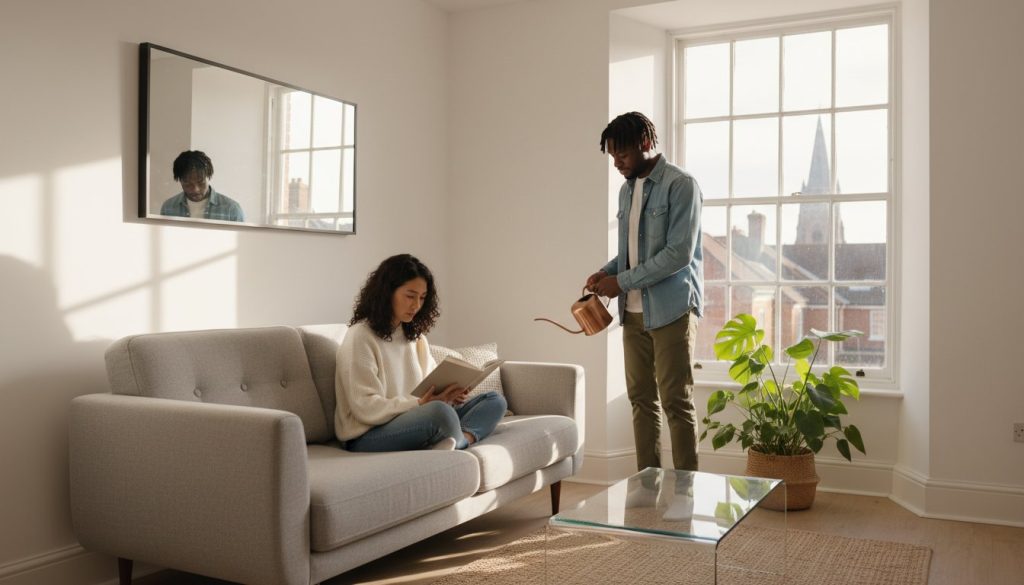
What if your lounge isn’t actually too small, but simply dressed in the wrong ‘outfit’? If you’re struggling with that familiar sense of claustrophobia every time you sit down, you aren’t alone. Many UK homeowners find themselves battling with compact floor plans that make hosting guests feel like a game of Tetris. According to a 2023 report by LABC, the average UK living room has shrunk by 32% since the 1970s, so it’s no wonder you feel the squeeze. It’s frustrating when you want a chic, breathable space but feel limited by four tight walls.
We’re here to help you reclaim your space. In this 2026 design guide, we’ll share the professional secrets on how to make a small living room feel bigger by mastering visual weight, strategic furniture placement, and clever lighting. You’ll discover how to transform a cramped lounge into an airy, stylish sanctuary that balances practical storage with a sophisticated aesthetic. We’ll show you how to pick pieces that fit UK room scales perfectly while ensuring your home remains a comfortable place to relax and entertain.
The Psychology of Perception: Understanding Visual Weight and Colour
Visual weight describes the perceived heaviness of an object based on its colour, texture, and light reflection. It’s not about actual kilograms; it’s about how much space an object “claims” in your eyes. Learning how to make a small living room feel bigger starts with mastering this psychology. Dark, heavy pieces stop the eye, making the walls feel like they’re closing in. By understanding negative space, you can select pieces that let light flow through rather than blocking it. This creates a sense of airiness that instantly expands the room’s footprint.
Dark, bulky furniture often “eats” the room because it creates a visual roadblock. A solid mahogany coffee table feels significantly heavier than a stylish mirrored glass side table, even if they take up the same floor space. To maintain an open line of sight, choose low-profile furniture that sits closer to the floor. This leaves more vertical space open, tricking the brain into thinking the ceiling is higher than it actually is. Keeping the view across the room unobstructed is a foundational rule in the 2026 Design Guide.
To better understand this concept, watch this helpful video:
When you’re researching how to make a small living room feel bigger, the most effective tool in your kit is the 2026 trend of colour drenching. This technique involves painting walls, skirting boards, and even ceilings in the exact same shade. It eliminates the harsh “border” lines that usually define a room’s limits. When the eye doesn’t see a break between the wall and the ceiling, the boundaries blur, making the space feel infinite. This approach works particularly well if you’re trying to create a seamless transition to an outdoor garden space or a bespoke log cabin retreat.
The Rule of Receding Colours
Cool tones like soft blues, greens, and pale greys are known as receding colours. They appear to move away from the viewer, which effectively pushes the walls back. Contrast this with warm, saturated reds or oranges that “advance” and make a room feel snug but significantly smaller. The 2026 Design Guide suggests that monochromatic palettes reduce visual noise by 40% compared to high-contrast schemes. Using various shades of a single cool colour creates a sophisticated, expansive environment that doesn’t feel cluttered.
Texture vs. Pattern in Small Spaces
Tactile textures add depth without adding the “mess” that busy patterns often create. Materials like bouclé, linen, and brushed velvet provide visual interest through the way they catch the light. Large-scale patterns are dangerous in compact rooms as they overwhelm the scale of the furniture. If you want to add height, use vertical stripes. This classic design trick draws the eye upward, “cheating” a higher ceiling height. Stick to subtle, textured wallpapers or ribbed wood panelling to achieve this effect without sacrificing the room’s calm atmosphere.
Strategic Furniture Selection: Choosing Pieces That Breathe
Understanding how to make a small living room feel bigger starts with the floor. The “Leggy” rule is a fundamental design principle for 2026. By choosing sofas, armchairs, and sideboards that sit on raised, tapered legs, you expose more of the floor. This simple trick allows the eye to travel underneath the furniture, creating a sense of continuous space rather than a series of heavy blocks. When you can see the floor extend to the skirting boards, the room immediately feels less cramped.
Materials play an equally vital role in visual weight. Glass and acrylic pieces provide essential function without the bulk. A clear coffee table or a Perspex side chair offers a surface for your tea or books but remains almost invisible. Experts at Forbes suggest that choosing the right proportions can make your small living room look larger by tricking the eye into seeing more depth. This transparency is a secret weapon for anyone learning how to make a small living room feel bigger without sacrificing surface area.
It’s a common mistake to fill a tiny room with tiny furniture. This often results in a “bitsy” look that feels cluttered. Instead, opt for scale over size. One large, well proportioned statement sofa often makes a room feel more grand than five small chairs. Complement this with multifunctional items like nest tables or ottomans with hidden storage. These pieces work hard when needed and tuck away when they aren’t, maintaining a chic and tidy environment. You can explore our stylish living room collections to find pieces that balance scale and utility perfectly.
Selecting the Right Sofa and Seating
Low-back sofas and armless “slipper” chairs are essential for preserving sightlines. A high-back sofa acts like a wall, cutting the room in half. Low profiles keep the view open, making the ceiling feel higher. Try “floating” your furniture by pulling it 10 or 15 centimetres away from the walls. This creates air pockets that prevent the room from feeling “pushed in.” For more tips on arrangement, read our Living Room Furniture: The Ultimate Guide to Styling Your Space.
If you are looking for stylish, low-profile seating that fits these design principles, you can learn more about PureWonen to explore their customisable lounge sofa collections.
Storage Solutions That Disappear
Bulky bookcases consume valuable square footage and darken corners. Swap them for floating shelves to keep the floor clear and the atmosphere light. Mirrored sideboards are another brilliant 2026 trend; they provide essential storage while reflecting light back into the room. “Storage should be a ghost in the room, providing utility while blending into the architecture.” By matching the colour of your shelving to your walls, you ensure the storage provides value without claiming visual territory.
Layout Mastery: Architectural Tricks to Expand Your Boundaries
Success in understanding how to make a small living room feel bigger often depends on how you direct the human eye. The “Vertical Path” is a designer favourite that involves drawing attention to the highest point of your room. You can achieve this by installing floor-to-ceiling shelving or hanging artwork slightly higher than eye level. This simple shift forces the brain to register the full height of the walls; it makes the floor plan feel less restrictive and more expansive.
Window dressing plays a vital role in this architectural sleight of hand. Instead of fitting curtains to the window frame, hang your poles as close to the ceiling as possible and extend them 20cm beyond the sides of the glass. This “high and wide” approach makes a standard window feel like a massive focal point. For those living in open-plan UK flats, zoning is essential. Use large area rugs to anchor furniture groups, varied lighting levels, or even high-quality wooden partitions from Chicsense to separate the dining zone. This creates distinct “rooms” without the need for light-blocking walls.
The Power of Reflection
Mirrors are a classic tool for a reason. Placing a large mirror directly opposite a window can double the amount of natural light bouncing around the space. This technique creates “faux windows” that add depth where there was once a solid wall. If you don’t want to drill into your masonry, oversized leaning mirrors offer a chic, contemporary alternative that feels less permanent but equally effective. For more inspiration on choosing the right glass for your space, check out Mirrors: The Ultimate Guide to Styling Your Home.
Clearing the Sightlines
A room feels cramped when your path is blocked. Identify the natural walking route from the door to the seating area and keep it entirely clear. You should also focus on the “Corner Trick,” which involves keeping the far corners of a room visible. When you can see the point where two walls meet, the room feels indefinitely larger. Incorporating timeless design tricks like placing a slim console table behind a sofa helps create a transition zone. Mastering these sightlines is a proven way how to make a small living room feel bigger without removing a single brick.

The Detail Layer: Lighting, Textiles, and Clutter Management
The final touches of a room often dictate its perceived scale. A common error is relying on a single central pendant light. This “big light” creates harsh shadows and pulls the ceiling down, making the space feel flat and cramped. To understand how to make a small living room feel bigger, you must embrace layered lighting and strategic textile placement.
Lighting for Depth and Height
Layered lighting builds three-dimensional depth. Use slim floor lamps to illuminate dark corners, which visually pushes the walls outward. Wall sconces are excellent space-saving alternatives because they provide task lighting without requiring a bulky side table. This keeps the floor area clear and “readable” to the eye.
- Up-lighting: Place small spotlights behind furniture or in corners to cast light upwards. This draws the eye to the ceiling, creating an illusion of vertical height.
- Task Lighting: Focused beams for reading areas help define specific zones in an open-plan space.
- Dimmers: These allow you to adjust the room’s mood, preventing a “one-size-fits-all” brightness that can make a small room feel clinical.
Textile Choices for an Airy Feel
Heavy, dark fabrics absorb light and make walls feel like they’re closing in. Swap thick velvet curtains for light-filtering sheers or linen. These materials allow natural light to bounce around the room while maintaining privacy. The choice of material is just as important as the colour when you’re trying to maximise a compact layout.
The “Rug Rule” is the most vital textile tip. A rug that is too small is the #1 mistake in small room design because it makes the floor space look fragmented. Choose a rug large enough so that at least the front legs of all furniture pieces sit on it. This creates a “grounded” island that makes the entire seating area feel expansive and cohesive. For a touch of luxury, incorporate small, high-quality metallic accents in brass or chrome. These reflective surfaces act like tiny mirrors, scattering light into every corner.
Curated Maximalism and Bio-Expansion
The 2026 “Bio-Expansion” trend focuses on using greenery to soften the room’s architecture. Tall, slender plants like a Kentia Palm can blur sharp corners, making the boundaries of the room less obvious. If you’re looking to extend this greenery to your outdoor spaces or balconies, you can find a wide range of options at Garden Chic.
Avoid the “clutter trap” by practicing curated maximalism. Display three high-quality items instead of ten small trinkets. This keeps the space feeling personal and stylish without becoming overwhelming. By choosing fewer, more impactful pieces, you allow the room to breathe.
Explore our full range of stylish homeware and decor to start your transformation today.
Living Chic: Curating Your Small Space with Quality and Value
At Living Chic, our team spends months searching major European trade exhibitions to find furniture that solves modern UK housing challenges. We focus on pieces that offer a blend of aspirational style and competitive pricing, ensuring you don’t have to choose between a beautiful home and a sensible budget. When you are looking at how to make a small living room feel bigger, the secret often lies in the quality and silhouette of your core furniture pieces. We curate our collection to include versatile designs that maximise every square inch of your floor plan.
Start your transformation with one high-impact change rather than a full renovation. A statement mirror placed opposite a window can instantly double the perceived depth of a room by reflecting natural light. Similarly, swapping a bulky, skirted armchair for a “leggy” sofa allows light to flow underneath the furniture. This simple trick keeps the floor visible and prevents the room from feeling heavy or cluttered. Our selection prioritises these elevated designs to help you achieve a high-end look without the premium price tag.
Expanding to the Outdoors
Your living room doesn’t have to end at the patio door. If your lounge opens onto a garden or balcony, you can create a seamless transition by using similar rug textures or colour palettes in both areas. This visual continuity draws the eye outside, making the interior feel significantly larger. You can find weather-resistant furniture and accessories at Garden Chic to help create a cohesive “outdoor lounge” that mirrors your indoor style.
If you need a more permanent solution for a cramped household, consider moving specific functions out of the main house. For those with larger garden projects, Simply Log Cabins provides high-quality garden offices and retreats. Moving a workspace or a hobby room into a dedicated garden building is a brilliant way to free up space in your primary living area, which is a key strategy for how to make a small living room feel bigger while adding value to your property.
The Living Chic Commitment
We’ve spent years building a reputation as a knowledgeable and trustworthy retailer. Our experience in the industry allows us to source the latest trends before they hit the high street, passing those savings and style advantages directly to you. We believe that every UK home deserves to feel spacious and stylish, regardless of its footprint.
Join our newsletter family to receive exclusive styling tips, early access to new arrivals, and special savings delivered to your inbox. It’s the best way to stay updated on our latest finds from across Europe. If you’re ready to start your home transformation, browse our indoor furniture collection today to find the perfect small-space essentials for your home.
Design Your Dream Space for 2026 and Beyond
Mastering how to make a small living room feel bigger comes down to balancing visual weight with high-quality, functional pieces. By prioritising furniture with slim profiles and using layered lighting to eliminate shadows, you create an environment that feels open and airy. Our team spends the year scouting major European trade exhibitions to ensure our collection reflects the latest 2026 design innovations. We bring you premium style at competitive prices, backed by many years of specialist expertise and a commitment to excellence.
We pride ourselves on providing high-quality customer care as part of a trusted family of brands, including specialist sites like Garden Chic and Simply Log Cabins. Whether you’re refreshing a compact city flat or optimising a cosy country cottage, the right layout and curated decor make all the difference. You don’t need a massive floor plan to achieve a sophisticated, high-end look. Your home’s potential is limited only by your imagination, not its square footage.
Transform your space today; shop our curated collection of stylish indoor furniture. Start your journey toward a brighter, more spacious home right now.
Frequently Asked Questions
What is the best colour to paint a small living room to make it look bigger?
Soft whites and cool neutrals like pale grey are the best choices for compact spaces. These shades reflect 80 to 90 percent of natural light, which is a key technique in how to make a small living room feel bigger. Using a single light tone on walls and skirting boards creates a seamless look that expands the visual boundaries of the room.
Can I have a sectional sofa in a small living room?
You can definitely use a sectional sofa in a compact lounge. One large piece often looks less cluttered than several smaller chairs and stools. Choose a model with slim arms and exposed legs to maintain a sense of floor space. You can find a variety of stylish seating options at Living Chic that balance comfort with a modest footprint.
How do mirrors actually make a room look larger?
Mirrors create the illusion of depth by reflecting the opposite side of the room. This trick can effectively double the visual square footage. Placing a large mirror opposite a window increases natural light levels by up to 100 percent. It tricks the eye into thinking there’s more space and an extra window where one doesn’t exist.
Should I use a large rug or a small rug in a tiny room?
Always choose a large rug that sits under the front legs of your furniture. Small rugs break up the floor and make the room appear disjointed and cramped. A rug that extends nearly to the walls draws the eye outward. This makes the floor area feel expansive and provides a cohesive foundation for your design.
What kind of lighting is best for a small, dark lounge?
Layered lighting is essential for brightening a dark lounge and creating a sense of height. Combine a central pendant with floor lamps and wall sconces to eliminate dark corners. Using 2700K LED bulbs provides a warm, inviting glow that mimics natural evening light. For those with outdoor views, adding solar lanterns from Garden Chic near the window can also bridge the gap between indoor and outdoor spaces.
How can I hide clutter in a living room with no storage?
Invest in multi-functional furniture like storage ottomans or coffee tables with hidden compartments. These pieces provide a stylish way to tuck away items without adding extra bulk to the room. If you need even more space for household overflow, consider a dedicated garden building from Simply Log Cabins to keep your main lounge clutter-free and relaxed.
Are dark colours always a bad idea for small spaces?
Dark colours aren’t always a mistake for small rooms. Deep navy or charcoal can create a jewel box effect that feels cozy and sophisticated. This works best when you have consistent lighting to prevent the space from feeling cramped. Darker tones can also help to make a small living room feel bigger by making the corners of the room recede into the shadows.
How do I choose furniture for a very narrow living room?
Select furniture with a slim profile and avoid bulky designs that block walkways. Use wall-mounted shelves to keep the floor clear and create vertical interest. Arranging furniture on one side of the room helps maintain a clear path and improves the flow. It’s important to leave at least 60cm of walking space to ensure the room feels functional rather than restricted.