
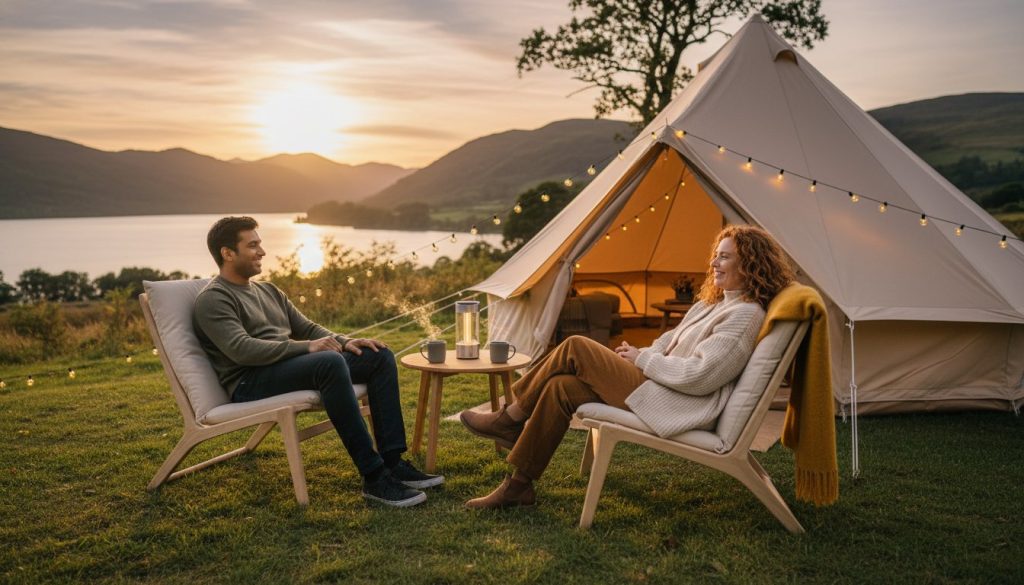
What if your next trip to the Lake District felt less like a survival exercise and more like a stay in a boutique hotel? It’s a common frustration to feel overwhelmed by technical jargon like ‘hydrostatic head’ or to fear that your gear will be functional but frankly an eyesore. You’ve likely experienced that 3:00 am chill because a cheap, disposable sleeping bag didn’t live up to its promises. At Living Chic, we believe your outdoor space should be as beautiful as your indoor one. By investing in high-quality Camping Equipment, you can bridge the gap between rugged durability and home-style comfort.
Your next trip deserves more than just the basics. By focusing on a high-quality sleep system and a well-organised camp kitchen, you’ll transform a simple night under canvas into a luxury alfresco experience. Choosing the right Camping Equipment is about balancing durability with that signature chic style we’ve curated for the modern adventurer—a philosophy shared by fashion retailers like 78+ Designers who prioritise quality and design. Since our launch over 10 years ago, our team has helped thousands of campers find the perfect setup for UK weather conditions.
Recent data from 2024 shows that 68% of UK outdoor enthusiasts are now swapping basic kits for curated, aesthetic setups that last for years rather than a single season. This guide helps you identify the 2026 market’s best finds to ensure your gear won’t let you down when the British weather turns. We’ll show you how to create a genuine home away from home using pieces from our outdoor furniture range that would look perfectly at home on our sister site, Garden Chic. Whether you’re looking for sturdy seating or elegant lighting, you’ll gain the confidence to choose quality over compromise. If you’re planning a more permanent outdoor retreat, you might even consider the structures at Simply Log Cabins for the ultimate garden escape.
Essential Camping Equipment for the Modern Adventurer
Camping has evolved from a basic survival exercise into a sophisticated outdoor retreat. Modern adventurers now seek a “chic” experience that mirrors the comfort and style of their homes. This shift means your choice of Camping Equipment is no longer just about staying dry; it’s about curated aesthetics and high-performance materials. By 2026, the outdoor market is projected to favour high-tech fabrics that mimic natural linen textures while weighing 40% less than traditional canvas. Investing in quality gear serves your lifestyle and the planet, as durable items reduce the 1.2 million tonnes of tent waste that ends up in landfills annually.
To build a reliable kit, you should categorise your needs into four core pillars: shelter, sleep, sustenance, and socialising. Modern Camping Equipment prioritises lightweight versatility without sacrificing the visual appeal of your campsite. For those looking to extend their living space into the garden, our collection of stylish garden furniture offers a perfect transition between permanent outdoor setups and portable adventure gear. A well-chosen kit allows you to transition from a weekend in the Lake District to a summer garden party with ease.
- Shelter: High-tensile aluminium poles and ripstop fabrics.
- Sleep: Self-inflating mats with high R-values for thermal insulation.
- Sustenance: Compact induction hobs or precision gas stoves.
- Socialising: Ergonomic folding chairs and ambient LED lighting.
Selecting the right common camping equipment ensures you’re prepared for the diverse climates found across the British Isles. At Living Chic, we curate our Outdoor & Leisure range to meet these high standards, ensuring every product offers both longevity and style. Whether you’re setting up a basecamp or looking for inspiration for garden buildings to store your gear, quality remains the priority.
The ‘Chic’ Approach to Outdoor Gear
Creating a visually harmonious campsite is a key trend for 2026. Neutral colours like stone, olive, and terracotta are dominating the market because they blend seamlessly with the natural environment. You should choose gear that complements your home storage solutions; stackable, modular crates in muted tones look just as good in a utility room as they do in the boot of a car. Functional requirements don’t have to be ugly. Seek out matte finishes and natural textures to maintain a sophisticated look while you’re off the grid.
Understanding British Camping Standards
Hydrostatic Head (HH) is the standard measurement of how waterproof a fabric is, representing the height of a water column in millimetres that the material can withstand before leaking. A minimum of 3000mm HH is the recommended benchmark for staying dry during the 150 rainy days the UK averages annually. Beyond rain protection, the role of UV-resistant coatings is vital for gear longevity. High-quality tents now feature UV50+ protection, which prevents the fabric from becoming brittle and tearing after prolonged exposure to the sun. This protection ensures your investment lasts for years rather than a single season.
Choosing Your Shelter: Tents and Awnings for Every Trip
Selecting the right Camping Equipment starts with your shelter. It’s the most significant investment you’ll make, so getting the specifications right is vital for a successful trip. One common mistake beginners make is taking tent capacity literally. A “4-man” tent typically provides about 5.5 square metres of sleeping area. While four people can technically fit, there’s zero room for bags, boots, or breathing space. For a comfortable experience, always double the occupancy rating; a 4-man tent is the perfect size for two people to enjoy a bit of “Living Chic” style luxury in the wilderness.
The technology behind these shelters has evolved rapidly over the last 10 years. Traditional poled tents remain a reliable, budget-friendly choice, but AirBeam or inflatable technology is now the gold standard for effortless setup. An inflatable 6-berth tent can be pitched in under 12 minutes, whereas a poled equivalent often takes 35 to 45 minutes of strenuous work. This efficiency lets you spend more time relaxing and less time wrestling with fiberglass rods. Before you head out, it’s wise to review camping safety tips to ensure your site selection is as secure as your tent is sturdy. Always check the ground for drainage and overhead hazards before inflating your beams.
Material choice also dictates your comfort levels during a British summer. Most entry-level tents use Polyester, often with a 75-denier rating, which is lightweight and dries fast after a downpour. However, if you’re planning longer stays, Polycotton is superior. It’s a breathable fabric that keeps the interior cool when it’s 25°C outside and retains heat when the temperature drops at night. It’s heavier and more expensive, but the durability and “chic” feel make it a favourite for seasoned campers who value quality over portability.
Tent Styles and Their Best Use Cases
Different trips require different silhouettes. Consider these popular options for your next outing:
- Tunnel tents: The staple of the British campsite. Their parallel pole structure creates excellent headroom and large porch areas, perfect for rainy days.
- Bell tents: These offer a timeless glamping aesthetic. Made from heavy-duty canvas, they’re often paired with wooden furniture to create a high-end retreat.
- Pop-up tents: These are tactical tools for short stays. They’re ideal for a single night at a festival or a quick garden sleepover, though they lack the 3000mm hydrostatic head rating needed for severe weather.
Awnings and Extensions for Garden-Style Comfort
If you’re touring in a campervan, a drive-away awning is a game-changer. It creates a multi-room suite that stays standing when you drive the van away for the day, effectively doubling your living space. For tent campers, adding a porch extension creates a dedicated “mudroom.” This 2-metre deep space keeps wet dogs and muddy boots out of your sleeping quarters. If you’re looking to bring this level of outdoor comfort home permanently, you can integrate your style with high-quality structures from Simply Log Cabins for a year-round garden retreat.
Whether you’re upgrading your current setup or starting from scratch, quality matters. You can find a range of stylish outdoor solutions and Camping Equipment at Garden Chic to help transform your next adventure. Don’t forget to browse our latest homeware collections to add those finishing touches to your outdoor living space.
The Sleep System: Prioritising Comfort and Quality Under Canvas
Investing in the right Camping Equipment starts with your bed. You’ll spend roughly one-third of your trip lying down, so your sleep system is the most critical factor in enjoying the experience. A poor night’s rest leads to fatigue and quickly dampens the holiday spirit. To stay warm and refreshed, you need to master the three pillars of insulation: a sturdy barrier from the cold ground, a high-quality sleeping bag, and a supportive pillow. Don’t underestimate the pillow; a dedicated camping pillow or a compressed home favourite prevents neck strain and makes the tent feel like a bedroom.
R-values are the industry standard for measuring thermal resistance in sleeping mats. They tell you exactly how much heat your mat will keep from escaping into the earth. For 2026, experts recommend a minimum R-value of 2.5 for summer use and 4.0 for year-round UK camping. If you’re camping in 2 degree Celsius weather, a mat with an R-value below 2.0 won’t protect you from the ground’s chill. It’s a technical specification that directly impacts your comfort, so check the label before you buy.
When choosing a bag, consider the UK’s high humidity levels. Down provides an excellent warmth-to-weight ratio and is incredibly packable. However, synthetic insulation is often the smarter choice for our damp island climate. Synthetic fibres retain about 50% of their insulating properties even when damp, whereas traditional down clumps together and loses its loft. Modern synthetic bags are also more affordable, offering great quality and value for those starting their outdoor journey.
Sleeping Mats and Airbeds
Self-inflating mats (SIMs) are the professional choice for those seeking reliable support. These mats combine open-cell foam with air to provide a firm, insulated surface that won’t bottom out. If you prefer a more domestic feel, double-height airbeds bring the height and comfort of a real mattress to your tent. Regardless of your choice, always use a groundsheet protector or a footprint beneath your tent. This simple layer prevents 95% of accidental punctures from sharp stones and stops rising damp from reaching your bedding. You can find a range of outdoor essentials and Camping Equipment at Living Chic to complete your setup.
Bedding and Temperature Control
Mummy bags taper at the feet to trap heat efficiently, making them ideal for colder nights. Envelope bags offer more freedom of movement, which is better if you’re a restless sleeper who likes to stretch out. A 3-season bag is the most versatile option for the UK, usually rated for temperatures between -2 and 10 degrees Celsius. To add a touch of style and extra warmth, bring a heavy throw or a chic rug from home. It adds an extra layer of comfort and creates a homely, aspirational atmosphere inside the tent. For more inspiration on creating a beautiful and functional outdoor space, visit our sister site at Garden Chic.
Camp Kitchen and Outdoor Dining: From Basics to Alfresco Feasts
Cooking in the great outdoors is no longer about burnt sausages on a disposable tray. Modern Camping Equipment allows you to recreate a gourmet kitchen environment under the stars. The secret to a successful trip lies in organisation. A dedicated camp kitchen unit provides a stable surface for food preparation and includes shelving to keep your ingredients away from the damp ground. These units often feature windshields, which are vital for maintaining heat efficiency when the British breeze picks up.
Temperature control is the next hurdle for the outdoor chef. Passive coolboxes rely on ice packs and high density insulation, keeping milk fresh for up to 48 hours. If you’re heading away for a week, an electric 12V/240V fridge-freezer is a superior investment. These units plug into your vehicle or a portable power station, maintaining a constant 4 degrees Celsius regardless of the external weather. It ensures your steak stays safe and your wine remains perfectly chilled for the evening.
Stoves and Fuel Selection
Choosing the right burner depends on your group size. Single burner canisters are lightweight and use CP250 gas, making them ideal for quick morning coffees or solo travellers. Family meals require the stability of a double burner stove connected to a refillable gas cylinder. Gas is generally preferred over charcoal because it offers instant heat control and meets the strict fire safety regulations found at 85 percent of UK campsites. Safety is paramount; you must never use a stove inside a tent. If you’re cooking in an enclosed awning, a carbon monoxide alarm is a non-negotiable requirement. These small devices save lives by detecting odourless gases that accumulate in poorly ventilated spaces.
Dining Furniture and Ambience
Eating on your lap is fine for a quick snack, but a proper meal deserves a sturdy table. Look for folding tables with adjustable legs to compensate for uneven pitches. A frame that supports at least 30kg will prevent wobbling during dinner. When it’s time to relax, the choice of seating defines your comfort. Traditional folding chairs offer upright support for eating, while ‘Moon Chairs’ provide a padded, wrap-around design that’s perfect for curling up with a book. To create a cohesive and inviting setup, you can pair your dining set with stylish accessories from Garden Chic to achieve a seamless outdoor look that rivals your patio at home.
Sustainable dining has become a priority for the modern camper. Single-use plastics are being replaced by durable alternatives like bamboo fibre or classic enamelware. Enamel is particularly popular because it’s virtually indestructible and can be heated directly on a hob if needed. These materials don’t just help the environment; they add a touch of class to your setup that plastic plates simply cannot match. Investing in quality Camping Equipment means your gear will last for years of adventures rather than ending up in a landfill after one season.
Ready to upgrade your outdoor living space? Shop our full range of stylish garden and outdoor furniture today.
Organising Your Trip: Storage, Lighting, and Final Checklist
A successful outdoor adventure relies on more than just high-quality gear; it’s about how you manage that gear. Modular storage is the hidden secret to a stress-free experience. Instead of one giant bag, use clear plastic bins to categorise your kit. You’ll see exactly where the mallet or the spare gas canisters are without emptying the entire boot. This systematic approach keeps your Camping Equipment protected from damp and easy to access during a downpour.
Powering your site has become simpler with recent tech advances. A 240Wh portable power station is now a staple for many UK campers, providing enough energy to charge a smartphone 20 times or run a small 12V cooler for several hours. If you’re heading off-grid for more than three days, a 60W foldable solar panel is a wise investment. These units convert daylight into a steady stream of power, ensuring you’re never disconnected from emergency services or your navigation apps.
Effective Campsite Organisation
Vertical space is your best friend inside a tent. Use hanging organisers with mesh pockets to keep small essentials like car keys, torches, and sunscreen visible and off the floor. Collapsible buckets and bins are equally vital. These clever designs fold down to less than 5cm in height, saving roughly 70% of precious boot space during transit. When packing your vehicle, adopt a “first-in, last-out” unpacking strategy for items you won’t need until later, such as spare bedding or evening clothes. This ensures your immediate essentials, like the tent and groundsheet, are always at the top of the pile.
Campsite Lighting and Atmosphere
Lighting defines the mood of your pitch once the sun sets. LED lanterns with “warm” colour settings provide a soft, inviting glow that mimics home lighting. They’re far more pleasant than the clinical blue light of older models. For a touch of style, string up battery-operated fairy lights inside your porch. It’s a simple way to make a nylon tent feel like a boutique retreat. Safety is just as vital as aesthetics. Use solar-powered stake lights to mark out guy-lines and tent pegs. These small beacons prevent trips and falls in the dark, marking your boundaries clearly for other campers.
If you enjoy styling your outdoor space, you can find brilliant inspiration in our range of garden accessories, which often double as excellent campsite decor. For those who prefer a more permanent outdoor setup at home, we also offer a variety of high-quality timber structures at Simply Log Cabins.
The Living Chic 2026 Camping Checklist serves as your final safeguard before departure. Every year, roughly 15% of campers report forgetting a critical item like a pump or fuel. Ensure your list includes the big four: shelter, sleep system, cooking kit, and lighting. Double-check your Camping Equipment for wear and tear at least 48 hours before you leave. This gives you enough time to replace any damaged tent poles or expired first aid supplies. A little preparation ensures your focus remains on the landscape, not on what you left behind in the garage.
Ready to upgrade your outdoor setup? Explore our full range of camping and garden equipment at Living Chic to find everything you need for your next adventure.
Ready Your Gear for the 2026 Season
Your next trip deserves more than just the basics. By focusing on a high-quality sleep system and a well-organised camp kitchen, you’ll transform a simple night under canvas into a luxury alfresco experience. Choosing the right Camping Equipment is about balancing durability with that signature chic style we’ve curated for the modern adventurer. Since our launch over 10 years ago, our team has helped thousands of campers find the perfect setup for UK weather conditions.
At Living Chic, we bring a decade of outdoor leisure expertise directly to your screen. Our Newark-based customer care team is ready to help you navigate our range, ensuring you secure competitive RRP savings across the industry’s top brands. If you’re looking to extend that stylish feel to your permanent outdoor space, explore our range of garden furniture at Garden Chic or consider a durable timber structure from Simply Log Cabins for year-round storage.
Don’t settle for less when you’re exploring the British countryside. Shop the 2026 Camping Equipment Collection at Living Chic today and start planning your most comfortable adventure yet. It’s time to get back to nature without leaving the luxury behind.
Frequently Asked Questions about Camping Equipment
What is the most essential piece of camping equipment for a beginner?
A high-quality tent is the most essential piece of camping equipment for any beginner. It’s your primary shelter against the unpredictable UK weather and provides the foundation for a comfortable trip. We recommend looking for models with a sewn-in groundsheet to keep out damp and insects. Investing in a reliable tent ensures your first trip is a success rather than a struggle. You can find a curated selection of outdoor gear at Living Chic.
How do I choose the right size tent for my family?
Choose a tent that’s rated for at least two people more than your actual group size. If you’re a family of 4, a 6-berth tent provides the necessary 20% extra floor space for bags and living areas. This prevents the sleeping quarters from feeling cramped during the night. It also allows room for a small table or indoor play area if the British weather turns grey.
What does the ‘Hydrostatic Head’ rating actually mean for rain protection?
Hydrostatic Head (HH) measures how many millimetres of water a fabric can hold before it leaks. For reliable protection in UK conditions, look for a minimum rating of 3,000mm. This 3,000mm benchmark means the fabric can withstand a 3-metre column of water pressure. Higher ratings like 5,000mm offer superior durability during 24-hour storm cycles or heavy autumnal downpours.
Is it better to use an airbed or a self-inflating mat?
A self-inflating mat is generally better for warmth, while an airbed provides more cushioned height. Mats contain open-cell foam with an R-value, typically ranging from 2.0 to 6.0, which stops the cold ground from stripping your body heat. Airbeds are often 20cm thick but can feel chilly because they circulate cold air inside. For a 10-degree night, a 5cm mat is usually the superior choice for comfort.
Can I use my garden furniture for camping?
You can use your garden furniture for camping, but it’s often too heavy and bulky for standard car boots. Most garden sets aren’t designed to fold flat for transport. Instead, browse the lightweight, portable options at Garden Chic to save space. Dedicated camping chairs weigh roughly 3kg, whereas a standard timber garden chair can exceed 10kg, making it difficult to carry from the car to your pitch.
How do I keep my food fresh without an electric hook-up?
Use a high-performance passive coolbox with thick insulation to keep food fresh for up to 5 days. Pre-chilling your coolbox for 12 hours before packing can increase ice longevity by 25%. Fill 2-litre plastic bottles with water and freeze them solid to act as large ice blocks. These keep your milk and meat below 5°C while providing cold drinking water as they melt throughout your trip.
What is the best way to store camping equipment during the winter?
Store your gear in a completely dry, temperature-controlled environment to prevent mould and fabric degradation. Never pack a tent away while it’s even 5% damp, as mildew can ruin the waterproof coating within 14 days. If you lack space indoors, a high-quality timber shed or garden building from Simply Log Cabins provides a secure, ventilated spot to keep your gear in top condition.
Do I need a special license to use a camping stove in the UK?
No special license is required to use a portable camping stove in the UK. However, you must follow the Countryside Code and specific campsite rules, as 45% of UK campsites banned open fires during the 2022 heatwave. Always use a stable base for your gas stove to prevent tipping. Ensure you’re at least 3 metres away from your tent fabric to prevent accidental fires or carbon monoxide buildup.