
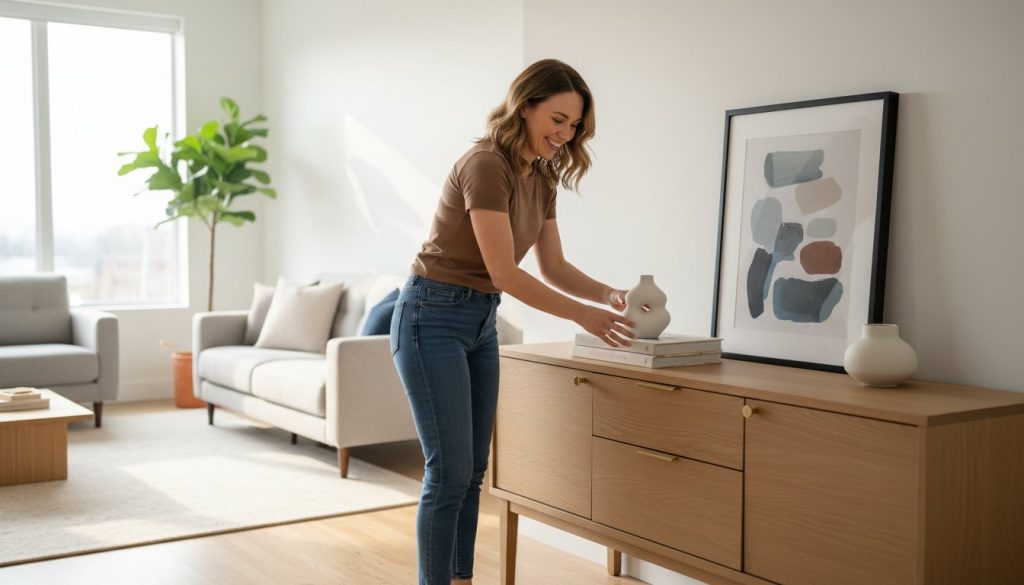
Is clutter starting to take over your living room? Do you dream of a space that’s both beautifully organised and effortlessly stylish? The answer might be simpler and more elegant than you think: the classic sideboard. Far from being a bulky, old-fashioned piece of furniture, the modern sideboard is a true design chameleon, ready to tackle your storage dilemmas while adding a serious dose of chic to any room, from the dining area to the hallway.
But where do you begin? Choosing the right piece can feel overwhelming, especially when faced with different styles, sizes, and names like ‘buffet’ or ‘credenza’. In this guide, we’ll demystify the process completely. We’ll walk you through everything you need to know-from selecting the perfect size and material for your space to expert tips on how to style it like a pro. Get ready to transform your home, banish clutter for good, and find the perfect storage statement piece you’ve been searching for.
What is a Sideboard? The Ultimate Storage Solution Explained
A sideboard is far more than just a piece of furniture; it’s a stylish and versatile storage powerhouse for the modern home. Traditionally found in the dining room to store tableware, this low-profile cabinet has evolved into a must-have item for living rooms, hallways, and even bedrooms. For a detailed history, you can explore the Wikipedia entry on What is a Sideboard?. Its magic lies in its dual purpose: the spacious interior conceals clutter, while the flat top surface provides the perfect stage for displaying everything from lamps and artwork to your favourite decor. A well-chosen sideboard can effortlessly anchor a room, creating a chic focal point that combines practicality with personality.
Sideboard vs. Buffet vs. Credenza: What’s the Difference?
While the terms are often used interchangeably, there are subtle historical distinctions that can help you choose the perfect piece. Understanding them helps you navigate our collection to find the ideal fit for your space and needs.
| Feature | Sideboard | Buffet | Credenza |
|---|---|---|---|
| Leg Height | Typically has short legs, with cabinets closer to the floor. | Often features higher, more prominent legs. | Very low profile, sometimes with no legs at all. |
| Primary Use | Versatile for any room, from dining rooms to hallways. | Traditionally a taller piece for serving food in a dining room. | Originally for offices, now popular in living rooms as media units. |
| Key Design | A focus on ample cabinet space. | A taller, more ‘furniture-like’ feel. | Characterised by its long, low shape, often with sliding doors. |
The Anatomy of a Modern Sideboard
Today’s designs offer a fantastic range of features to suit any storage requirement and interior style. Most contemporary pieces incorporate a clever mix of storage options:
- Spacious Cupboards: Ideal for hiding away larger items like dinner sets, electronics, or board games.
- Handy Drawers: Perfect for organising cutlery, table linens, or everyday essentials like keys and mail.
- Open Shelving: A great spot to display books, plants, or your most cherished decorative pieces.
The details make all the difference. Choose from sleek, handleless designs for a minimalist look, or opt for statement knobs in brass or matte black to add a touch of personality. To ensure every element of your room feels considered, you might also look at upgrading functional items like air vents; VentCoverCreations.com provides decorative covers that turn these necessities into design features. Materials range from timeless solid oak and rich veneers to contemporary painted MDF, often finished with stylish metal accents for an industrial edge.
How to Choose the Perfect Sideboard for Your Space
Finding the perfect sideboard is about balancing stylish design with everyday practicality. Before you fall in love with a particular model, it’s essential to consider four key factors: size, material, function, and budget. Taking a moment to plan ensures your new furniture piece not only looks stunning but also serves its purpose flawlessly in your home, whether it’s for the dining room, living room, or hallway.
Getting the Size and Proportions Right
The golden rule of furniture shopping is to measure your space first. Note the width and height of the wall where the unit will live, paying attention to plug sockets, windows, and door frames. Ensure you leave enough clearance-at least 75cm is ideal for walkways-to move around comfortably and fully open cupboard doors and drawers. For visual harmony, consider a height that aligns with your dining table or the arms of your sofa. In tighter areas, a slim or narrow sideboard offers valuable storage without overwhelming the space.
Material Matters: Finding a Finish That Fits
The material of your unit defines its character and sets the tone for the room. While the history of the sideboard shows a tradition of ornate woodwork, today’s options are wonderfully diverse. For those seeking authentic heritage pieces, Nicholas Wells Antiques offers a curated selection of rare, high-quality antique furniture that exemplifies this craftsmanship. Think about your existing decor and the atmosphere you want to create:
- Solid Wood: Oak and mango wood bring warmth and durability, perfect for traditional or rustic interiors.
- Painted Finishes: Chic grey, crisp white, or bold black finishes offer modern versatility that complements any colour scheme.
- High Gloss: A contemporary choice that reflects light, making it an excellent option for smaller or darker rooms.
- Industrial Mix: The combination of wood and metal creates an edgy, urban look that’s right on trend.
Storage Functionality: Doors, Drawers, or Open Shelves?
Consider what you need to store. Is your primary goal to hide clutter or display your favourite items? A combination of storage types often provides the most flexible solution for everything from tableware to general household items.
- Cupboards: Ideal for stashing away larger items like dinner sets, board games, or electronics.
- Drawers: Keep smaller items organised, from cutlery and table linens to important paperwork and keys.
- Open Shelving: Perfect for showcasing decorative objects, books, or a curated collection of vinyl records.
Finally, set a realistic budget that works for you. Remember to factor in potential delivery costs, especially for larger furniture pieces, to ensure there are no surprises. Planning ahead makes the process smooth and enjoyable.
Inspiring Sideboard Ideas for Every Room
While traditionally found in the dining room, the modern sideboard is a master of versatility, ready to bring style and order to any space in your home. This essential piece of furniture proves that practical storage can also be a stunning focal point. Imagine transforming your key living areas with a single, chic addition that solves clutter and showcases your personality. Let’s explore the possibilities.
The Living Room Sideboard
Upgrade your entertainment setup by using a sideboard as a sophisticated TV stand or media unit. Its low-profile design is often the perfect height for viewing, while its generous cabinet space is ideal for hiding away remote controls, games consoles, and unsightly cables. The result is a clean, streamlined look that feels both modern and timeless. Use the expansive top surface to create a curated display of family photos, fresh plants, and your favourite books, turning your media area into a stylish feature. If you’re planning a broader refresh, exploring living room furniture sets can help you achieve a perfectly coordinated look where your sideboard complements every other piece in the room. For a comprehensive overview of selecting and styling every piece in the space, our living room furniture guide to styling your space walks you through everything from sofas to side tables. For inspiration on achieving a chic, uncluttered aesthetic throughout the space, our guide to creating a modern living room with timeless style is an invaluable resource.
The Dining Room Sideboard
In its classic home, the dining room sideboard truly shines as the ultimate host’s companion. It provides essential, accessible storage for everything you need to entertain with ease. Inside, you can neatly organise:
- Dinner plates and serving dishes
- Glassware and tumblers
- Cutlery and table linens
- Candles and centrepieces
During gatherings, its surface becomes an invaluable asset. Picture it as an elegant serving station for a buffet-style meal or a dedicated drinks bar where guests can help themselves, freeing up precious space on your dining table.
The Hallway Sideboard
Make a lasting first impression by placing a sideboard in your hallway. It acts as the perfect ‘landing strip’ for daily essentials, providing a designated spot for keys, mail, and wallets. This helps keep your entrance tidy and welcoming. For narrower spaces, a slimline model offers valuable storage without blocking the thoroughfare. The cupboards are perfect for stashing away shoes, scarves, and bags, keeping clutter out of sight. For a space that demands both style and a slender profile, explore our collection of chic console tables and sideboards.

How to Style a Sideboard Like an Interior Designer
Your sideboard is more than just storage; it’s a stage for your personal style. Transforming its surface into a curated display, or ‘vignette’, is the secret to achieving a polished, designer look. The key is to aim for balance, not clutter. By thoughtfully mixing different textures, heights, and shapes, you can create a display that is visually interesting and a true reflection of your personality.
Ready to transform your space? Here’s how to style your sideboard with confidence.
1. Create a Focal Point
Every great display needs an anchor. Hang a large piece of art or a statement mirror directly above the centre of the unit to instantly draw the eye and ground your arrangement. This creates a strong focal point for everything else to build upon. Remember to get the scale right – your chosen piece should be commanding, but never wider than the furniture itself to maintain a sense of balance.
2. Play with Height
Avoid a flat, one-dimensional display by introducing items of varying heights. A stylish table lamp is a perfect choice, adding both vertical interest and warm, ambient lighting to the room. Complement this with tall, slender vases filled with elegant branches or fresh flowers for a touch of nature. You can even stack a few hardback books horizontally to create a chic platform for smaller, cherished objects.
3. Layer and Group Objects
Depth and texture are what bring a vignette to life. Group smaller items together following the ‘rule of three’-arrangements in odd numbers are naturally more appealing to the eye. Create layers by leaning smaller framed prints or a decorative tray against the wall behind other objects. For a truly sophisticated look, combine different materials:
- A smooth ceramic vase or decorative bowl
- A shimmering glass box or cloche
- A metallic photo frame or candle holder
This mix of finishes adds tactile and visual interest, making the entire arrangement feel complete. Find the perfect mirror or lamp to complete your look.
Transform Your Home with the Perfect Sideboard
As we’ve explored, the humble sideboard is one of the most versatile and stylish pieces you can own. It’s a true multi-tasker, offering essential storage while providing the perfect canvas for your decorative flair. By carefully selecting a size and style that complements your space and artfully arranging your favourite objects on top, you can create a functional focal point that solves clutter and showcases your personality in any room.
Ready to bring this stylish solution into your home? At Living Chic, our curated collection makes it easy. We offer a wide range of modern and traditional styles to ensure you find the perfect match for your decor, all at competitive prices to suit every budget. With fast, UK-wide delivery direct to your door, your ideal storage solution is just a few clicks away.
Ready to find your perfect storage solution? Shop our stylish sideboard collection now.
Frequently Asked Questions
What is the main purpose of a sideboard?
A sideboard’s main purpose is to provide stylish storage and a functional surface. Traditionally found in dining rooms, they are perfect for storing dinnerware, cutlery, and table linens. Today, their versatility shines in living rooms and hallways, offering a chic solution for decluttering. The top surface is ideal for displaying decorative items like lamps and vases, or for serving food and drinks when you’re entertaining guests, making it a truly multi-functional piece of furniture.
Should a sideboard be taller than a dining table?
For the best visual balance in a dining room, a sideboard should ideally be slightly taller than your dining table. Most dining tables are around 76cm high, so look for a sideboard that stands between 80cm and 90cm. This height difference creates a pleasing visual line and ensures the surface is at a comfortable level for serving food or mixing drinks. It prevents the furniture from looking mismatched and helps to define the dining space effectively.
Can you put a TV on a sideboard?
Absolutely! Many people use a stylish sideboard as a media unit. Before placing a TV on top, it’s crucial to check two things: the sideboard’s maximum weight capacity and its surface dimensions. Ensure the unit can safely support your television’s weight. The TV’s base should sit comfortably on the surface with a few inches to spare on all sides for stability and a balanced look. This is a great way to combine media storage and chic style. For more guidance on finding the right support for your television, our ultimate guide to choosing the perfect TV stand covers everything from measurements to materials.
How much space should you leave around a sideboard?
To ensure your room feels spacious and functional, aim to leave at least 60cm of clearance in front of your sideboard. This allows for doors and drawers to open fully without obstruction. If the area is a main walkway, a clearance of around 90cm is even better. At the sides, leaving a small gap of 15-20cm can prevent the space from feeling cramped and allows the piece to stand out as a stylish feature in your home.
What is the most popular colour for a sideboard?
Neutral and natural tones continue to be the most popular choices. Classic oak, warm walnut, and other natural wood finishes offer timeless appeal and suit many decor styles. For a more contemporary feel, white, cream, and grey sideboards are incredibly sought-after as they create a bright, airy look. We are also seeing a rise in bold accent colours like deep navy blue and forest green, perfect for making a stylish statement in any room.
Are sideboards still in fashion for 2026?
Yes, sideboards are a timeless piece of furniture that remains firmly in fashion and will continue to be a staple in 2026. Their design simply evolves with current trends. Expect to see models with clean lines, sustainable materials, and interesting textures like fluted wood or rattan detailing. The sideboard’s blend of practical storage and decorative potential ensures it will always be a chic and valuable addition to modern living rooms, adapting to new styles while retaining its core function.